
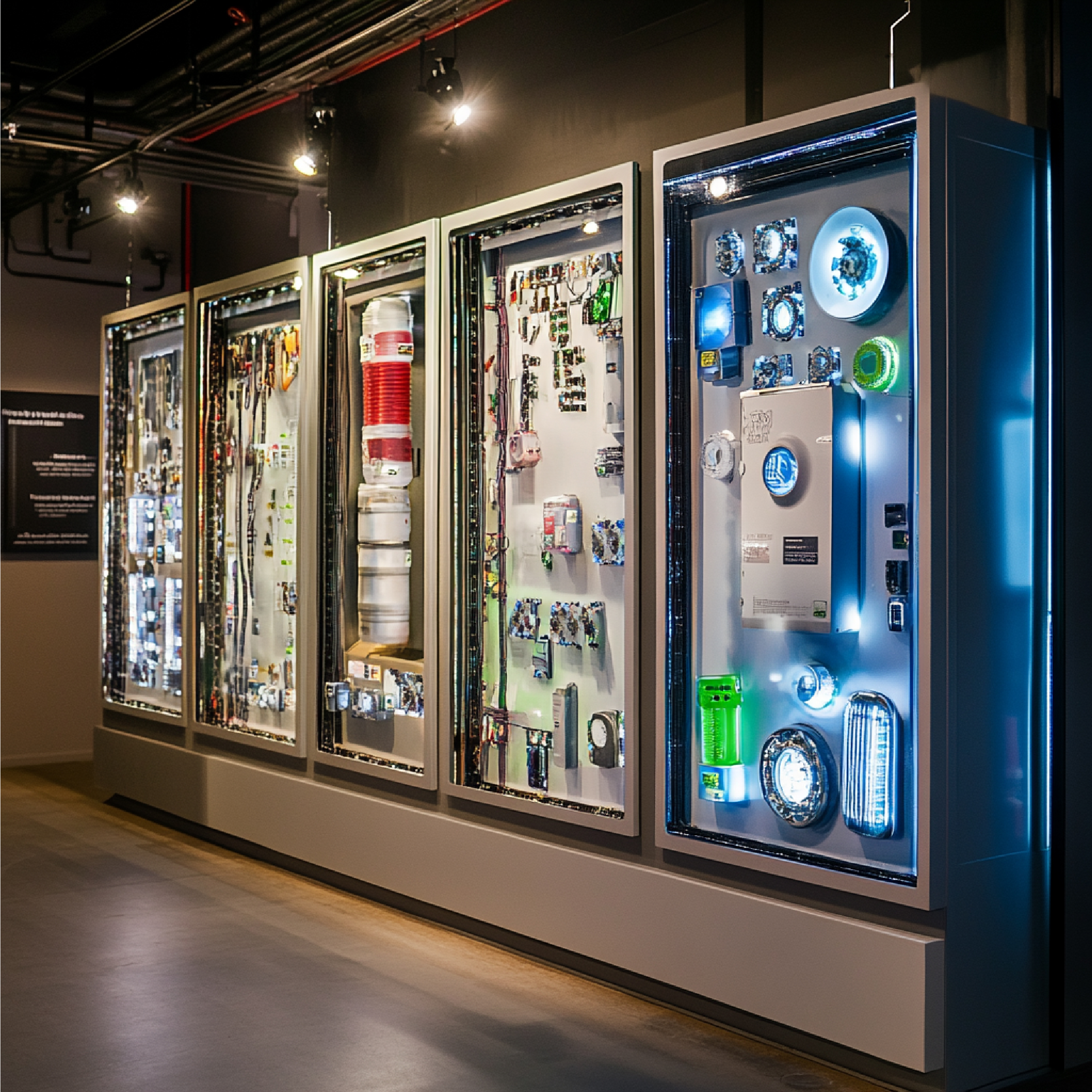
You’re standing at the vending machine crossroads: shiny new tech with a steep price or a refurbished unit that saves cash and surprises and cannot make a decision to save your life. Let me help you decide. This guide walks you through that pivotal decision, showing how budget, location, product mix, and supplier warranties shape a profitable vending machine business.
1) The first decision: new vs refurbished
Picking your first machine in a vending machine business feels like buying your first car: do you want the new car smell, or the dependable used option that frees up cash?
What “new” buys you
When you buy a vending machine new (often $3,000–$10,000), you’re paying for modern looks, smart features, and usually fewer early breakdowns—plus a manufacturer warranty.
What “refurbished” buys you
A refurbished vending machine can lower startup pressure and speed up breakeven, especially when inspected and guaranteed by suppliers. Upgrades like card readers may cost extra.
-
What’s your budget ceiling (remember $2,000–$8,000 per machine with stock/installation)?
-
Do you need cashless tech now?
-
How much repair risk can you handle?
Answer these questions thoughtfully to make the right purchasing decision.
2) What you really get with a new vending machine
-
Modern payments (tap, chip, mobile wallets) and smoother checkout
-
Better energy efficiency and a cleaner, newer look
-
Clearer screens, simpler menus, fewer “walk-aways”
-
Optional smart vending machines upgrades like telemetry to track sales and stock
New units usually cost $3,000–$10,000. Your all-in startup cost machine (machine, stock, install) often lands around $2,000–$10,000 per machine. Contact us to learn more about your next new machine!
Warranties typically cover key parts and factory defects, which helps uptime and protects your path to a profitable vending machine. The trade-off is higher upfront cost, so you need strong locations.
3) Refurbished machines: cheaper doesn’t have to mean risky
A refurbished vending machine should mean inspected, repaired, and tested, ideally with a written guarantee from a reputable supplier. The big win is lower startup cost machine spend, so you can put cash into better placement, a small inventory buffer, or site fees—moves that protect profit margins vending as you aim for 40–60% gross margins after commissions and operating costs.
Ask about upgrades like a card reader for a nominal fee; cashless payments can lift sales and speed up passive income vending payback.
-
Non-negotiable check: test buttons, coin mech/bill acceptor, refrigeration, door seals, and locks.
-
Hidden cost avoided: surprise repairs that eat early margins.
Refurb is often best for your first machine, your learning phase, or when cash is tight.
4) Optimal location vending: placement is your silent business partner
Optimal location vending means finding foot traffic plus the right kind of waiting time—people who pause, not just pass by. When you scout vending machine locations, do light market research vending: count people, note rush hours, and check if they already buy snacks nearby. Contact us to see what options you have to make t
Profitable locations vending to target
-
Office building locations, factories, apartment complexes
-
College dorms, gyms, laundromats
Match products to the place: energy drinks and quick snacks sell well at colleges where students study late, while hospitals often prefer healthier options because staff and visitors want lighter choices.
Don’t fear commission fee locations. A small cut can be fair if traffic is real—negotiate with the property manager and ask for a 30-day trial, then review sales together.
5) Stock right products
Whether you buy new or refurb, you win by how you stock right products. Start simple with known brands, then test one or two new items once you learn your buyers (yes, you will misjudge what people want at least once).
Pricing + profit guardrails
-
Keep core snacks at $1–$3: this range sells in most markets.
-
Track profit margins vending: aim for 40–60% gross margin after commissions and operating costs.
Inventory habits that prevent waste
-
Use first in first (FIFO) rotation.
-
Do expiration date tracking: set a recurring phone reminder before each restock run.
Buy smart, then cut fast
Use wholesale distributors inventory, Costco, or Sam’s Club for bulk buying snacks. Treat product selection vending as a feedback loop: sell-through rate tells you what to drop next week.
6) Your vending business plan
Your vending business plan starts with returns: if startup costs run $2,000–$10,000 per machine (new often $3,000–$10,000), set a 40–60% gross margin target and estimate your break-even date—then note what could shift it (rent, repairs, slow foot traffic).
Next, schedule routine maintenance: cleaning, coin/bill system checks, refrigeration tests, and card reader updates so uptime stays high.
For scaling vending business, run one machine until it’s stable, then add locations, hire a driver, and diversify into beverages or combo units. When volume grows, use telemetry optimize efficiency to track sales and restock smarter.
Handle legal basics early: business license vending, state-specific legal requirements permits, and an LLC for llc business protection. Keep researching suppliers, pricing, features, and support—and remember, you can call for guidance before you commit.
Like it, Share it!